What is Circular Charlotte?

📷 Photo: WizSnaps
Glass bottles from venues like Spectrum Center, crushed into sand. Lettuce growing above a tank of tilapia. Mushrooms in a shipping container. Old T-shirts cut into strips for soundproof panels. All of it happens in a former city garage on Seigle Avenue in Charlotte's Belmont neighborhood.
The building is the Innovation Barn. It is the home base of Circular Charlotte, the city's plan to treat waste as something worth keeping.
Where Circular Charlotte came from
In 2018, the City of Charlotte released a report called "Circular Charlotte: Towards a zero waste and inclusive city," developed with the Dutch firm Metabolic. It looked at what the city throws away and what that material could become. The report estimated that recovering materials that would otherwise go to landfill could be worth up to $111 million and create up to 2,000 jobs.
The plan focused on four kinds of material: plastics, food and other organics, textiles, and construction and demolition debris. It also aimed to make the city's economy more inclusive, with new jobs and training.
The Innovation Barn
The city partnered with Envision Charlotte, a public-private organization, to turn an old city garage into a hub for that work. The Innovation Barn opened in 2021. The renovation reused materials, including doors from other construction sites and concrete with recycled content.
Inside, small projects test what waste can become. A glass lab turns bottles into sand for gardening and art. A plastics lab works with plastics the county recycling program doesn't accept. 100 Gardens runs an aquaponics farm, where water from the fish tank feeds the greens. Change Please runs the coffee shop and trains people experiencing homelessness as baristas.
Ways to take part
The Innovation Barn is open to the public, and most of what happens there is free.
- Free public tours, which you can book on Eventbrite.
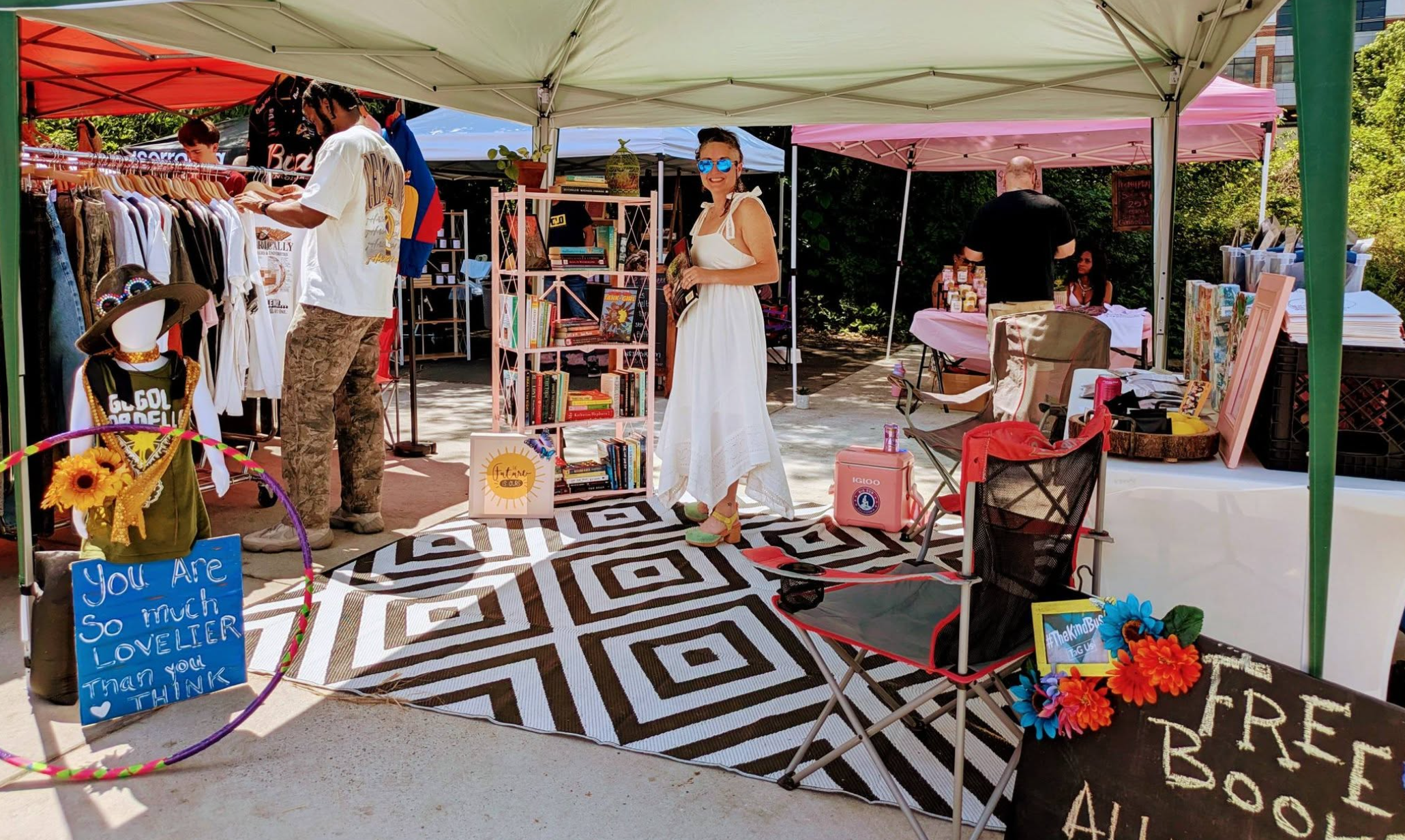
- Saturday Swap, a monthly themed swap. Bring a clean, working item and take home something new to you. Leftover items go to Furnish for Good, a local nonprofit.
- Repair Café Charlotte, where volunteers help you fix your own broken things.
- Drop-in volunteering on some Saturday afternoons.
Check the Innovation Barn website for current dates.
Why it matters
A city plan can only go so far on its own. The work of a circular economy happens in small places: the repair bench, the swap table, the shop that gives used things a second owner. Circular Charlotte gives those efforts a home and room to grow. If you want to understand the idea behind it, I wrote a plain explanation of the circular economy.
If you run a business in Charlotte that repairs, resells or makes things, get listed. Everyone else, join Team Local and come see it for yourself.